The Loyal Pin · Cultural context
Bringing Thailand to the world Food, tradition and storytelling in The Loyal Pin
The Loyal Pin is not only a heartfelt story — it’s a tribute to the rich culture of Thailand. Funded by the Thai government’s soft power initiative, the series weaves traditional Thai food, customs and iconic scenery into its storytelling. From vibrant food markets to serene temples, it celebrates Thailand’s heritage and shares its beauty with a global audience.
Historical & cultural notes
Rank, era and names in The Loyal Pin
Social status in 1950s Thailand
Anin is effectively a princess in the Thai hierarchy — in European terms, closer to a duchess. Her father holds the rank of prince.
Pin belongs to the noble class but is not royal. Her role aligns with a lady-in-waiting: a lower-ranking noble who serves a high-ranking one.
Life in the 1950s
Lesbian relationships in 1950s Thailand were generally private and discreet, under both legal and social pressure.
Telephones existed but were rare — only around 3% of households had one, and international calls were extremely costly, so long-distance communication relied mostly on letters.
Why “Anin” and “Pin”?
Anilaphat → Anin. Pilantita → Pin.
This comes from Thai pronunciation: the consonants L and N are often pronounced similarly at the end of a syllable. So although Anin’s formal name is Anilaphat, it is spoken more like Anin — which becomes the natural nickname spelling.
How old are Anin and Pin through the series?
- Episodes 1–2Anin 15Pin 16
- Episodes 3–7Anin 20Pin 21
- Episode 8 onwardAnin 22Pin 23
Culinary traditions
The Thai dishes of The Loyal Pin
Every dish on this page appears on screen. The tag on each card tells you where to find it.
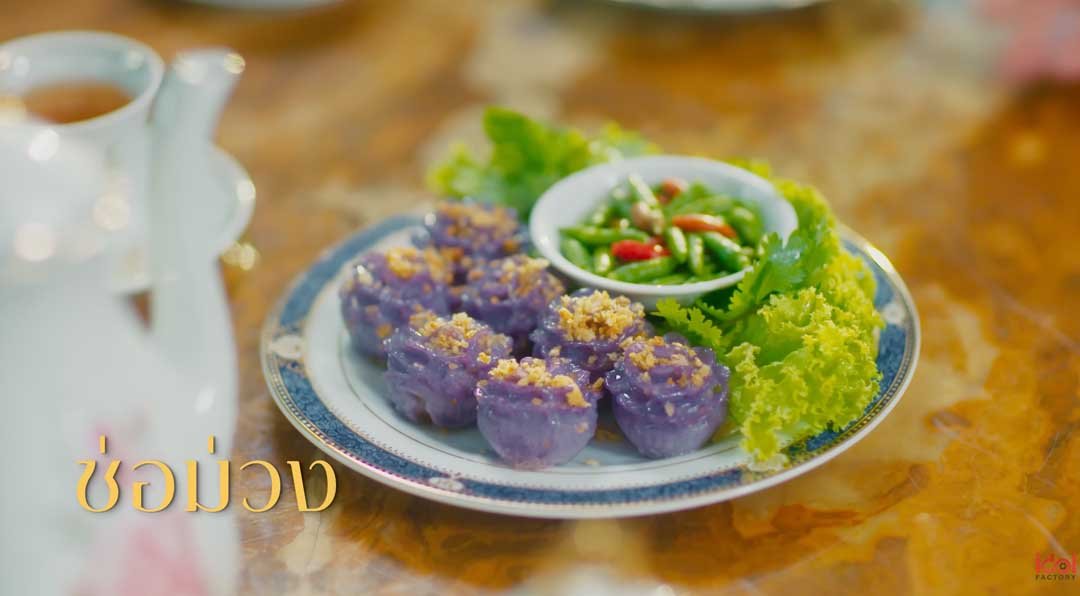
Chor Muang
Thailand’s intricate flower-shaped dumpling becomes more than a dish here. It symbolizes patience, quiet strength and love nurtured with care.
Fragile on the surface yet rich within, Chor Muang mirrors how Anin and Pin’s bond slowly blossoms, holding hidden emotions and unspoken longing. Love, like each delicate fold, is built through small, meaningful moments — a glance, a gesture, a shared meal.
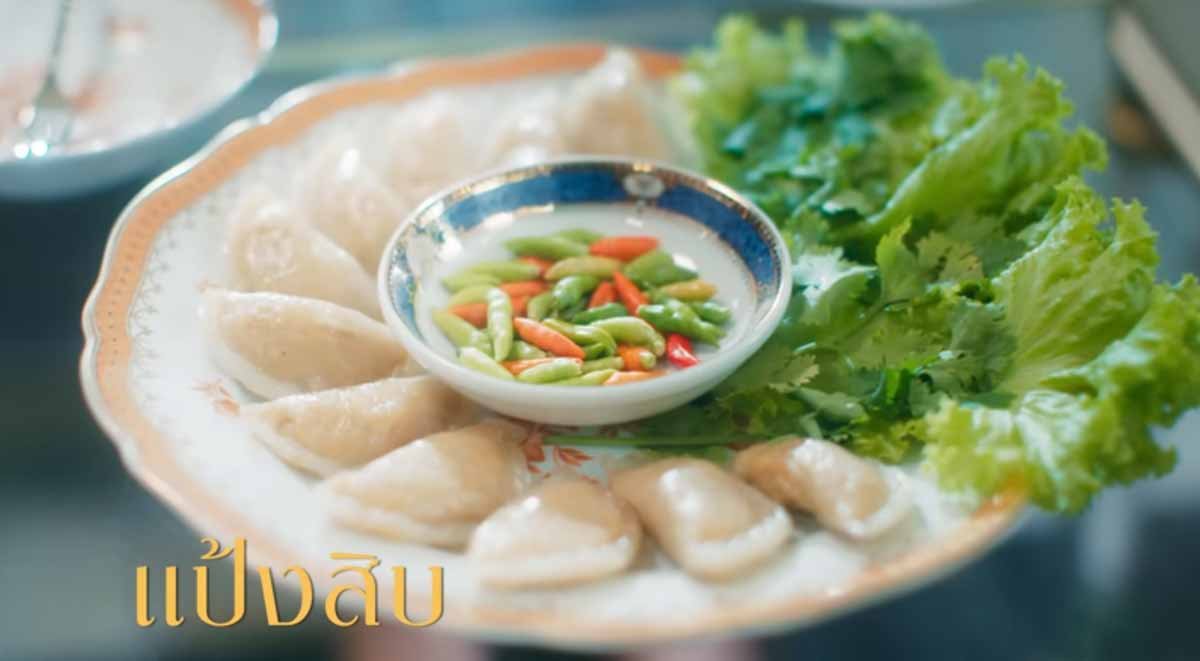
Steamed fish puff
Appears when Anin playfully asks Pin to feed her.
Also known as fish dumpling or Pun Klip Sai Pla, this traditional appetizer is shaped like a crescent moon. The name describes the making of it: Pun means to roll, Klip refers to the crimped edge, and Sai Pla means fish filling.

Moo Sarong
Introduced as Anin’s favourite dish, this traditional delicacy combines ground pork wrapped in crispy fried noodles. Moo means pork and sarong refers to the noodle wrapping, making a flavourful bite with a unique texture.
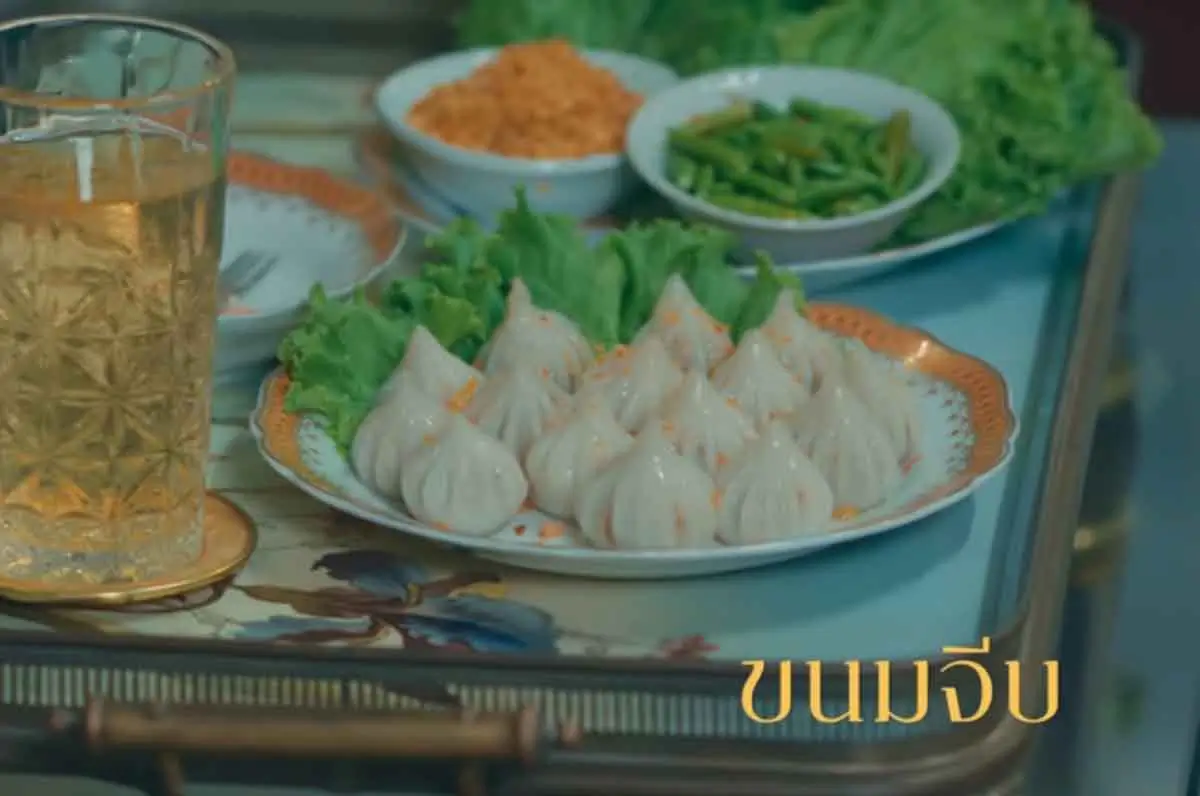
Thai dumplings
Pin delivers delicate Thai dumplings for Anin’s supper, only for Prik to sneak most of them.
Dating back to the Ayutthaya period, these intricately pleated bites — sometimes up to 20 folds — embody both artistry and tradition.
Sweet traditions
Desserts that carry the story
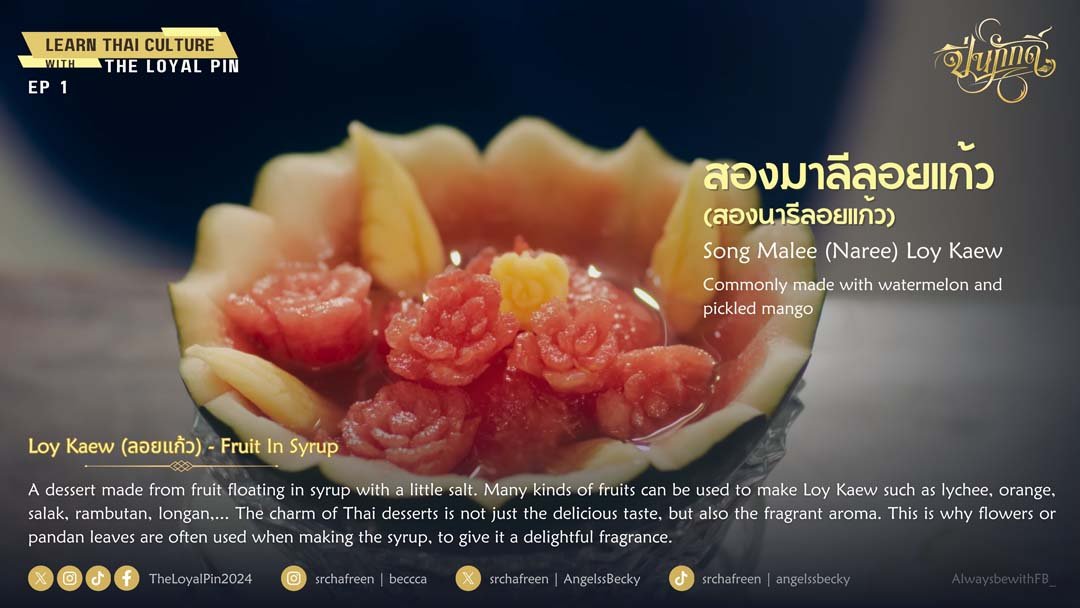
Loy Kaew (ลอยแก้ว)
Both a beloved dessert and a symbolic musical theme. As a dessert it floats lychee, rambutan and longan in a fragrant pandan syrup — light, delicate, serene.
In the series, “Loy Kaew” is also the title of a gentle OST heard in Episode 1 and through several emotional moments. Its floating melody mirrors the early stages of Anin and Pin’s relationship: beautiful yet fragile, quietly adrift like glass on water — sweetness and slow, graceful unfolding.
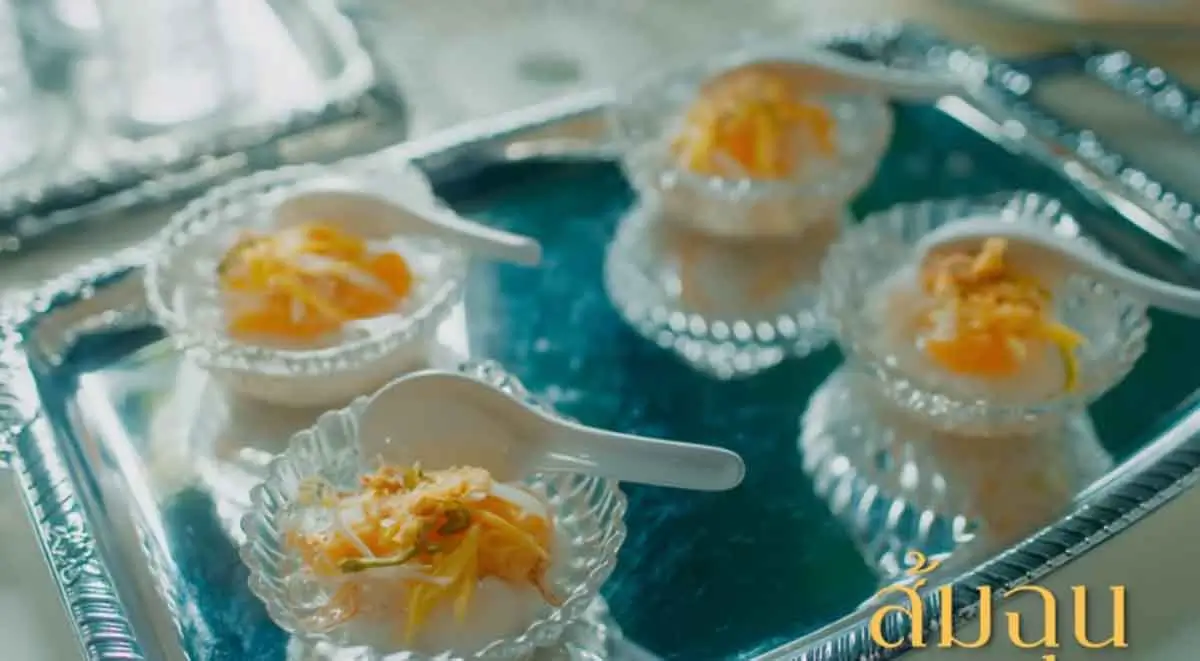
Som Choon (ส้มฉุน)
Served at the end of a tennis match, a dessert both sweet and sour.
An ancient Royal Thai delicacy celebrated for its refreshing mix of flavours — sweet, sour and delicately aromatic. Traditionally enjoyed in the hot season and immortalized in the poetry of King Rama II, it combines fruits such as lychee and orange in a fragrant syrup, accented with ginger, grilled shallots and orange peel: a cooling balance of tastes that captures Thailand’s culinary elegance.

On location
Sacred temples and cultural landmarks
The Loyal Pin brings Thailand’s spiritual heritage to life by filming at significant sacred sites, including Wat Phra That Cho Hae, a revered Buddhist temple in northern Thailand.
Against a backdrop of golden chedis and intricate architecture, pivotal moments unfold — among them Pin offering her ring to Anin, a symbol of eternal love and devotion. These settings weave deeper meaning into the story while honouring Thailand’s spiritual traditions.
View the full seriesCultural festivals
Festivals and performance in The Loyal Pin

Loy Krathong (ลอยกระทง)
A revered festival where people float offerings on rivers to honour the goddess of water and let go of negativity.
Anin and Pin share a heartfelt moment under the night sky, floating their handcrafted offerings, honouring the goddess and quietly letting go of their fears — mirroring the emotional healing that deepens their bond. The scene blends cultural authenticity with the series’ themes of love, hope and new beginnings.

The Peacock Tail Dance
A signature cultural performance of Thailand’s northern Lanna heritage, showcased during a festive celebration.
Performed with elegant peacock-feather fans, the dance symbolizes beauty, grace, renewal and the warding off of misfortune. It adds authenticity and cultural pride while mirroring Pin and Anin’s emotional journey — a symbolic blessing of hope and protection as their bond deepens.
Threads of tradition
Court customs and textiles
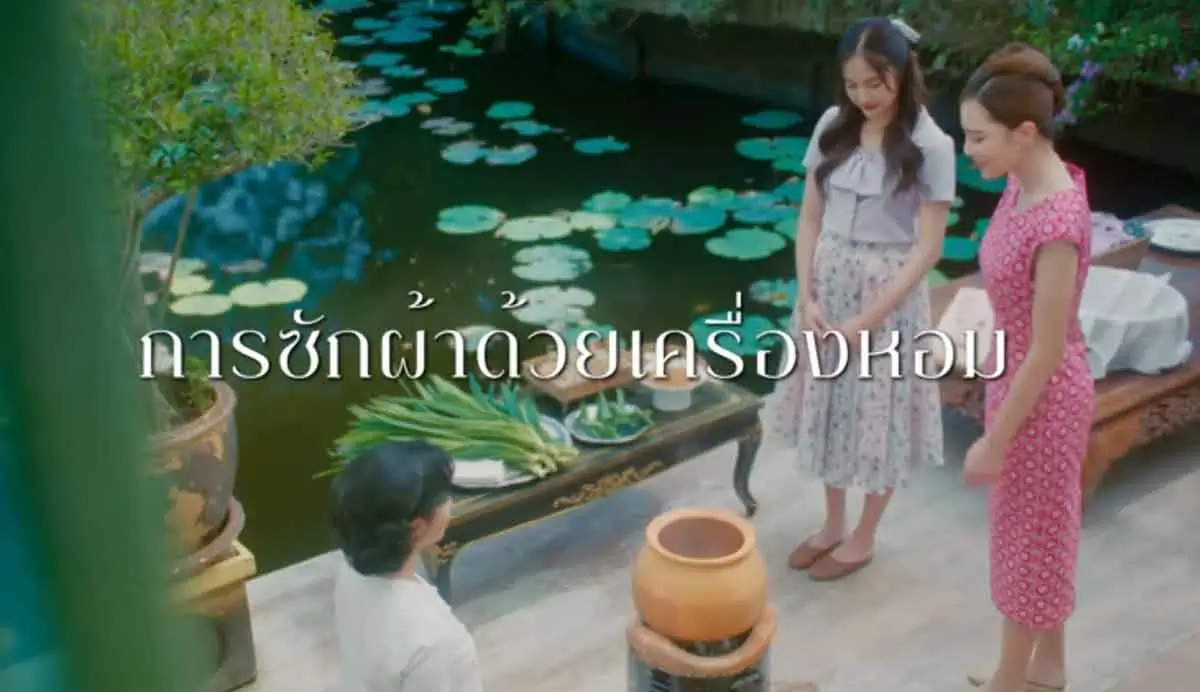
Washing clothes in fragrant herbal water
A glimpse of a royal custom: roasted fenugreek, Alyxia and pandan leaves, strained and cooled before use. Once reserved for the King’s wives, consorts and female relatives, the ritual reflects the refined traditions of the Thai court.
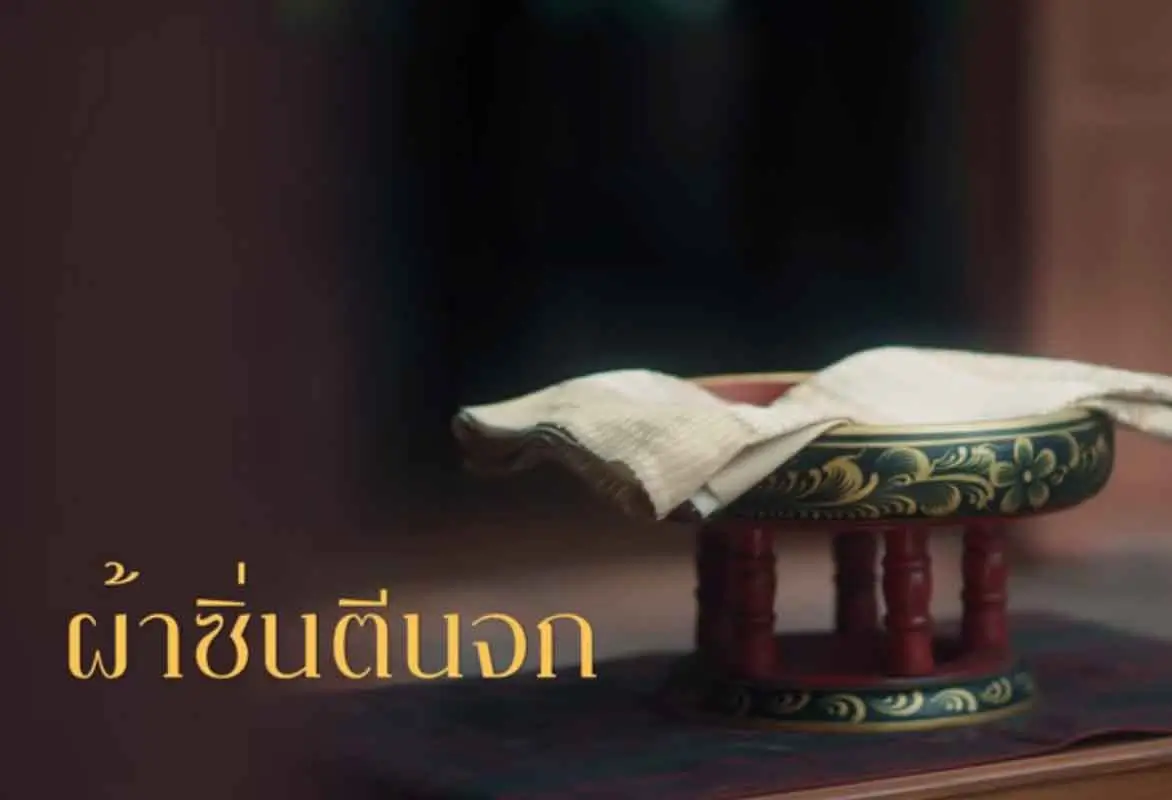
Tin Jok sarong
Appears when Anin and Pin visit Phrae and Anin attempts weaving. Traditionally tied to the Lanna kingdom, the ornate Pa Sin Tin Jok Kham — woven with gold and silver borders — was reserved for high-ranking women. Its fine threads echo a powerful speech later in the series, underscoring heritage and emotion.
Candle & incense tray (พานธูปเทียนแพ)
In Thai culture the tray symbolizes blessings for a new union and respect for family. Here, Pin’s forced engagement transforms it into a bittersweet emblem of sacrifice and silent resistance.
Keep exploring